

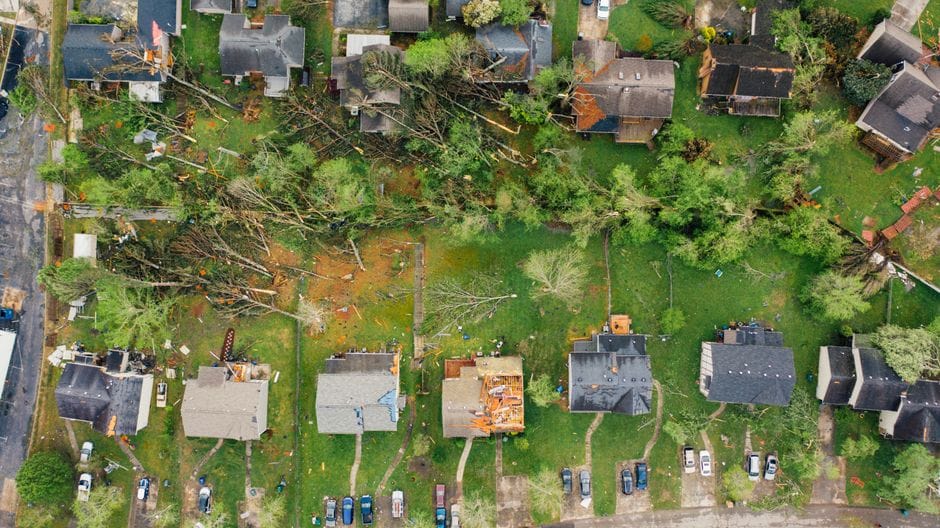
What to Do After a Storm Damages Your Roof
Residential storm damage roof repair is something millions of American homeowners face every year — and the steps you take in the first 24 to 48 hours matter more than most people realize.
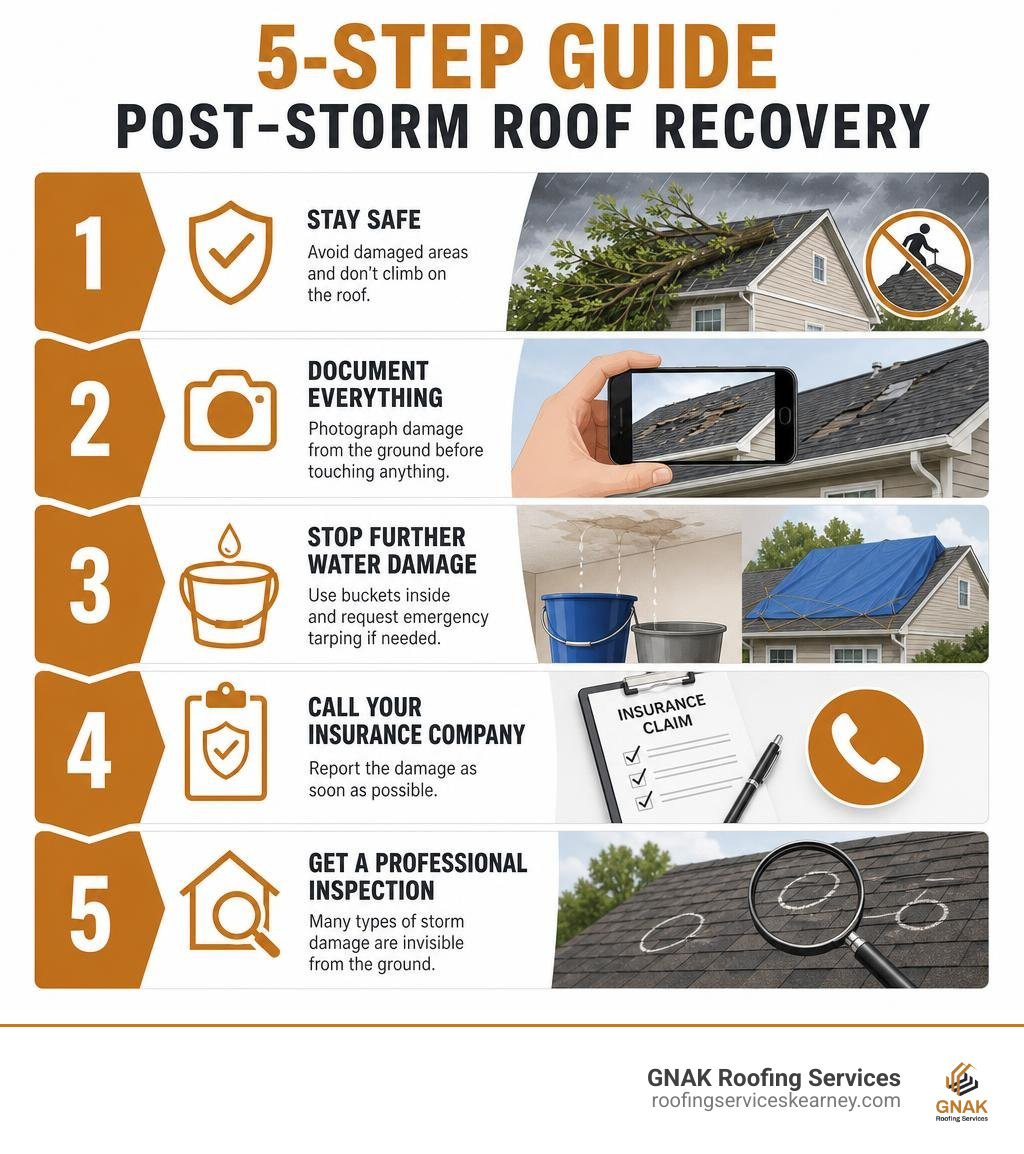
Here is a quick overview of what to do:
- Stay safe — avoid damaged areas inside your home and do not climb on the roof
- Document everything — photograph damage from the ground before touching anything
- Stop further water damage — use buckets inside and request emergency tarping if needed
- Call your insurance company — report the damage as soon as possible
- Get a professional inspection — many types of storm damage are invisible from the ground
Storms don’t give you a warning before they hit. One afternoon of hail or a single windstorm can leave your roof compromised in ways that won’t show up as a leak until months later. Hail can bruise shingles and strip away protective granules without leaving an obvious hole. Wind can lift shingle edges and break the adhesive seal without sending shingles flying into your yard. According to industry data, approximately 25% of roofs in the U.S. have unreported or undetected storm damage — damage that quietly worsens until it becomes a much more expensive problem.
For homeowners in Kearney and the greater Kansas City area, severe weather is a regular reality, not a rare event. Knowing how to respond — and how to avoid the costly mistakes most people make — can be the difference between a straightforward repair and a gut-wrenching structural problem.
I’m Greg Nakata, owner of GNAK Roofing Services, and my background in commercial lending, asset underwriting, and insurance documentation gives me an unusual perspective on residential storm damage roof repair that goes well beyond just fixing shingles. In the sections below, I’ll walk you through everything you need to know — from spotting hidden damage to filing a solid insurance claim — so you can handle this process with confidence.
Identifying Common and Hidden Storm Damage
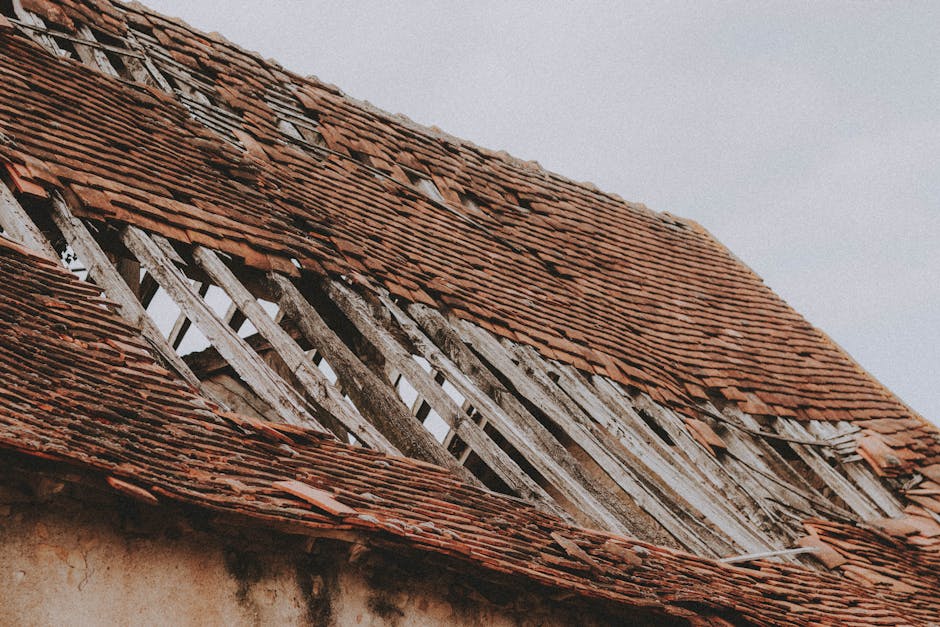
When a severe storm rolls through Clay County, the immediate reaction for most homeowners is to look out the window and check if the shingles are still attached. While missing shingles are a clear indicator of trouble, they only represent a fraction of the actual damage severe weather can cause.
Statistically, hail and wind damage account for approximately 60% of all homeowners insurance claims related to roof damage in the United States. However, because much of this damage is subtle, many homeowners don’t realize their roof has been compromised. In fact, homes in hail-prone regions experience roof damage claims up to three times more frequently than homes in low-risk areas.
To protect your property, you need to know what to look for—both the obvious signs and the hidden culprits. For a deeper look at general repair needs, you can read More info about residential roof repair.
Wind Uplift and Shingle Loss
High winds do not have to reach tornado-level speeds to cause serious damage to your roof. When strong gusts sweep over your roofline, they create a pressure differential known as wind uplift.
As wind forces its way under the edges of asphalt shingles, it can break the manufacturer’s adhesive seal. Once this seal is broken, the shingle is free to flap in the wind, crease, or tear away entirely. This leaves the underlying underlayment and roof deck completely exposed to subsequent rainfall, leading to rapid roof leaks and interior water damage. Even if the shingle settles back down after the wind subsides, the seal remains broken, leaving your roof highly vulnerable to the next minor rainstorm.
Hail Impact and Hidden Bruising
Hail is one of the most deceptive elements of severe weather. Unlike wind, which often leaves highly visible clues like shingles scattered across the lawn, hail damage is frequently invisible from the ground.
When hailstones strike asphalt shingles, they create localized impact points. This impact knocks away the protective layer of mineral granules, exposing the dark asphalt underlayment beneath. More importantly, hail causes “shingle bruising.” This is a physical fracture of the fiberglass mat inside the shingle. While it may not cause an immediate leak, this bruise weakens the shingle’s water-shedding capabilities. Over the course of 6 to 18 months, solar UV rays degrade the exposed asphalt, causing the bruised area to crack, deteriorate, and eventually develop latent leaks.
Identifying these bruises requires a hands-on, physical inspection by an experienced professional. If you suspect your home has been hit, you can find More info about roof inspection services to get a thorough assessment.
The Long-Term Risks of Delaying Repairs
Ignoring storm damage is an expensive gamble. Water is incredibly patient; once it finds a way past your shingles, it will migrate through your roof deck, saturate your attic insulation, and rot your structural wood trusses.
Mold growth can begin within 24 to 48 hours of water intrusion, creating health hazards for your family. If left unaddressed, the structural damage caused by ongoing water infiltration can easily exceed $20,000—far more than the cost of a timely repair. Delaying repairs also puts your insurance claim at risk, as many policies require you to report damage and mitigate further loss within a specific timeframe. For assistance with active leaks, check out More info about residential roof repair.
Immediate Post-Storm Action and Emergency Measures
Once the storm has passed and it is safe to assess your property, taking immediate action can save you thousands of dollars in secondary structural damage.
Assessing Damage Safely from the Ground
Your personal safety must always come first. Never climb onto a wet, slick, or potentially structurally compromised roof after a storm. Instead, conduct your initial assessment safely from ground level.
Grab a pair of binoculars and walk around the perimeter of your home. Look for:
- Sections of missing, torn, or curling shingles.
- Damaged, dented, or missing metal flashing around chimneys, valleys, and vents.
- Heavy accumulation of shingle granules in your gutters or at the bottom of your downspouts.
- Dents on soft metal vents, gutters, and window screens (which are excellent indicators of hail size).
Take wide-angle and close-up photos of any damage you can see from the ground, as well as any debris (like fallen tree limbs) in your yard.
Implementing Temporary Measures and Emergency Tarping
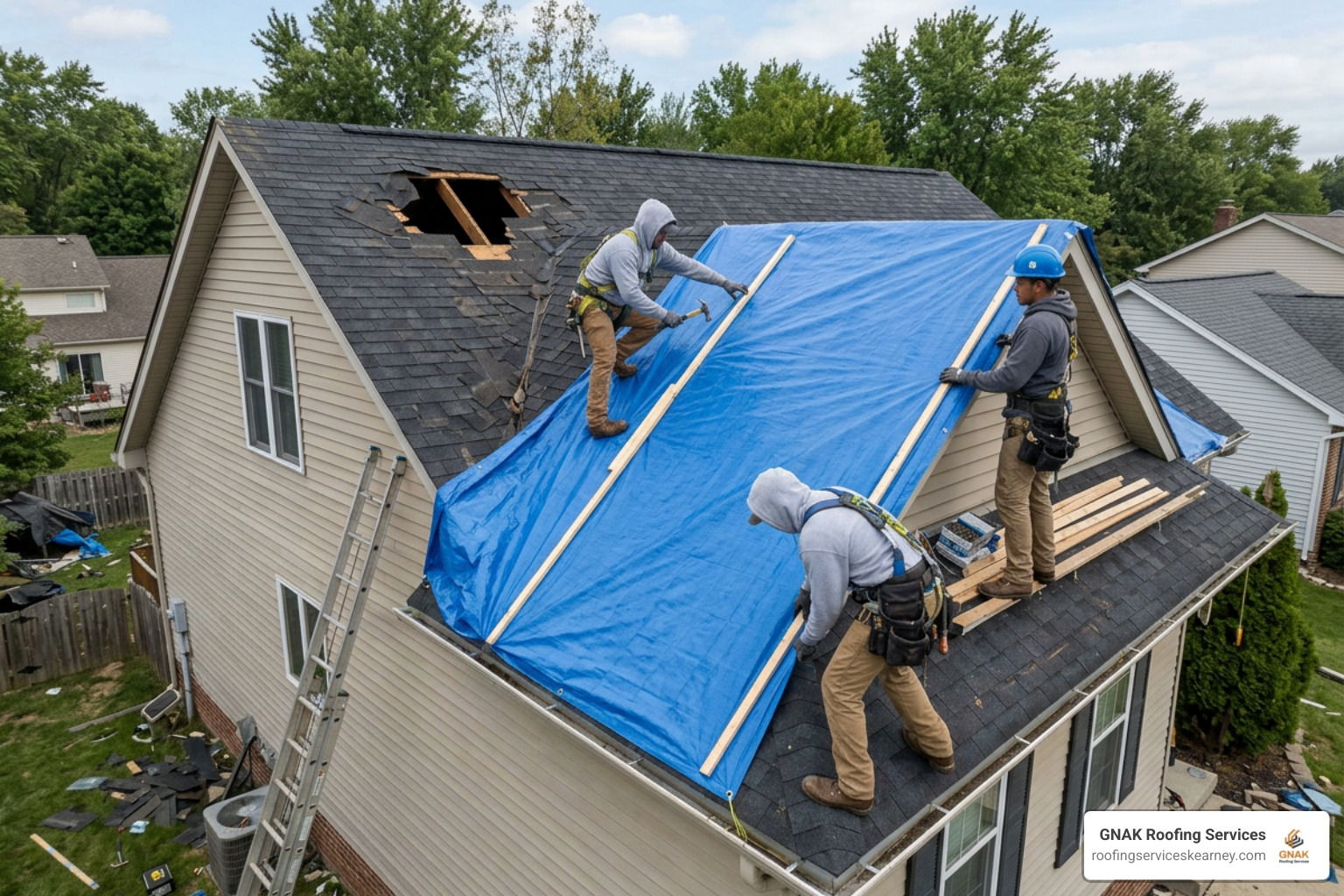
If you discover active leaks or large sections of exposed underlayment, you must take reasonable steps to prevent further water damage. Insurance policies generally require homeowners to mitigate their losses, and temporary tarping is the standard way to do this.
A proper emergency roof tarp must be secured correctly to withstand wind and rain. Rather than simply weighting a tarp down with bricks or stones—which can slide off and cause injury—the tarp should be stretched over the roof ridge and secured using wooden furring strips screwed directly into the roof framing. Inside your home, place buckets under active drips, move valuables out of the affected rooms, and run fans or dehumidifiers to dry out wet drywall and insulation. For more tips on keeping your roof in top shape between storms, see More info about roofing tips & maintenance.
Repair vs. Replacement: Making the Right Decision
Deciding whether your roof needs a targeted repair or a complete replacement is one of the most critical choices you will make. The average cost to repair storm damage to a residential roof typically ranges from $1,500 to $7,000, depending on the extent of the damage, whereas a full replacement is a much larger investment.
| Decision Factor | Roof Repair | Roof Replacement |
|---|---|---|
| Damage Extent | Localized (less than 25-30% of the roof) | Widespread (exceeding 30% of the surface) |
| Roof Age | Relatively young (under 12-15 years old) | Nearing end of lifespan (15-25+ years old) |
| Structural Integrity | Decking and trusses are dry and sound | Sagging decking, structural rot, or water migration |
| Cost vs. Longevity | Cost-effective for minor, isolated issues | High upfront cost, but resets the roof’s lifespan |
| Insurance Coverage | Usually covered for sudden, localized storm damage | Often covered if damage is widespread and severe |
When to Choose Residential Storm Damage Roof Repair
If the storm damage is isolated to a specific section of your roof—such as a few shingles blown off by a sudden gust of wind or a minor leak around a chimney pipe—a targeted repair is usually the most practical and cost-effective path.
Our team can replace the missing shingles, seal compromised flashing, and restore the water-tight integrity of that specific area without disturbing the rest of your roof. This is highly effective if your roof is relatively young and the surrounding shingles are still in good, pliable condition.
When a Full Roof Replacement is Necessary
If hail has bruised shingles across multiple slopes, or if high winds have lifted more than 25-30% of your roofing surface, a repair is often just a temporary band-aid.
Additionally, if your roof is already over 15 to 20 years old, the shingles will be too brittle to withstand the physical manipulation required to perform localized repairs. Trying to repair a brittle roof often causes more damage to the surrounding shingles. In these cases, a full replacement is the only way to ensure long-term protection. To understand what goes into a complete tear-off and installation, read More info about residential roof replacement.
Navigating Residential Storm Damage Roof Repair and Insurance Claims
Navigating an insurance claim can feel like trying to learn a foreign language overnight. Fortunately, this is where our professional expertise becomes your greatest asset. We combine our deep roofing knowledge with insurance-ready documentation to make the process as smooth as possible. For a broader look at our residential services, you can view More info about residential roofing.
Documenting Damage and Filing Your Claim
The success of your insurance claim depends heavily on documentation. As soon as it is safe, contact your insurance provider to report the storm damage and obtain a claim number.
When you file, you will need to provide the exact date of the storm and any initial photo evidence you gathered. While most policies allow up to one year to file a claim after a severe weather event, filing immediately is always best. It prevents the insurance carrier from claiming that your roof’s issues are due to normal wear and tear or neglect rather than the storm itself.
Working with Adjusters and Understanding Settlements
Once your claim is filed, the insurance company will send an adjuster to inspect your roof. We highly recommend having us present during this adjuster meeting. We speak their language, and we can point out hidden issues—such as shingle bruising and compromised valley liners—that an adjuster might overlook.
When you receive your insurance settlement, it will typically fall under one of two frameworks:
- Actual Cash Value (ACV): The insurer pays the value of your roof at its current age, subtracting depreciation.
- Replacement Cost Value (RCV): The insurer pays the actual cost to replace the roof in 2026. Typically, they will release an initial ACV check, and then release the remaining “depreciation” funds once we provide proof that the work is complete.
If we discover additional hidden damage during the tear-off process (such as rotted roof decking), we will submit a “supplement claim” with photo documentation to your insurer to ensure those extra costs are covered.
Choosing a Reputable Contractor and Preventing Future Damage
After a major storm, out-of-town “storm chasers” often flood local neighborhoods, knocking on doors and offering quick, cheap roof replacements. Working with these transient companies is risky; they often perform subpar work, ignore local building codes, and vanish before you realize your new roof has a leak.
What to Look For in a Local Roofing Professional
When vetting a roofing contractor in the Kansas City Northland, always verify the following:
- Local Presence: Choose a contractor with a physical office and a solid reputation in your community.
- Licensing and Insurance: Ensure they carry active general liability insurance and workers’ compensation to protect you from liability.
- Manufacturer Certifications: Contractors with elite manufacturer certifications can offer extended warranties that uncertified roofers cannot.
- Written Proposals: A reputable contractor will always provide a detailed, written estimate outlining the scope of work, materials, timeline, and cleanup process.
Strengthening Your Roof Against Future Storms
While you cannot control the weather, you can take proactive steps to minimize future storm damage:
- Upgrade to Class IV Shingles: Consider upgrading to impact-resistant (Class IV) shingles during your replacement. These are UL 2218 rated to withstand high-velocity hail impacts and can often qualify you for significant discounts on your homeowners insurance premiums.
- Trim Overhanging Tree Branches: Keep trees trimmed back at least 10 feet from your roofline to prevent heavy branches from falling or scraping against your shingles during high winds.
- Maintain Your Gutters: Ensure your gutters and downspouts are cleaned regularly so heavy rainwater can drain away quickly rather than backing up under your shingles.
Frequently Asked Questions About Storm Damage
How long does residential storm damage roof repair typically take?
The actual physical work of a standard roof repair usually takes anywhere from a few hours to a full day. A complete roof replacement typically takes one to two days, depending on the size and pitch of your roof. However, the entire process—including insurance inspections, claim approvals, and material procurement—generally takes one to three weeks. For local service timelines, see More info about roof repair in Liberty MO.
Will my homeowners insurance cover the entire cost of a roof replacement?
If your roof sustained widespread, sudden damage from a covered peril like wind or hail, most standard homeowners policies will cover the cost of a full replacement, minus your deductible. If you have an RCV policy, your out-of-pocket cost is typically limited to your deductible. If you have an ACV policy, you will be responsible for your deductible plus the depreciated value of your older roof. For more details on regional coverage expectations, check out More info about roof repair in St. Joseph MO.
Can hail damage my roof without causing immediate leaks?
Absolutely. Hail damage rarely causes immediate leaks unless the hailstones are exceptionally large. Instead, hail bruises the shingles and knocks off the protective granules, which accelerates the aging process and leads to water leaks months or even years down the road. This is why a professional roof inspection is so important after any significant hailstorm.
Conclusion
Dealing with storm damage is undoubtedly stressful, but you don’t have to navigate the repairs or the insurance process alone. At GNAK Roofing Services, we are dedicated to providing Kearney, Clay County, and the surrounding Kansas City communities with honest assessments, manufacturer-compliant workmanship, and the professional, insurance-ready documentation you need to get your claim approved.
We live and work right here in the Northland, and we treat your home with the same care and respect we would show our own. Let us handle the details so you can regain your peace of mind.
Schedule your storm damage roof repair in Independence MO today to protect your home and secure your property before the next storm rolls through.