

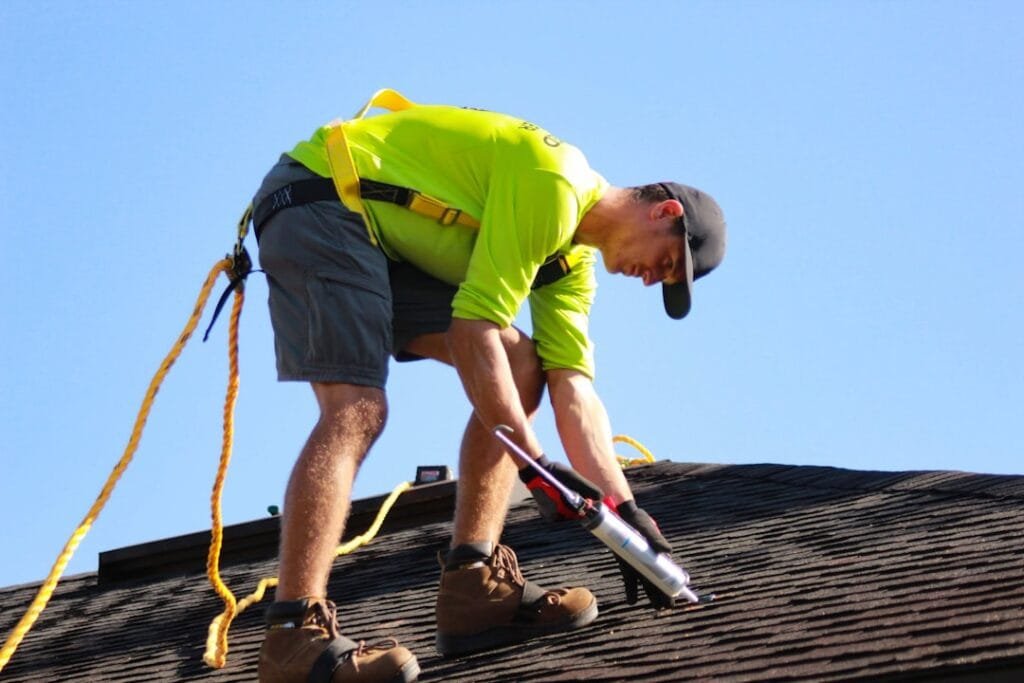
Why Finding the Right Asphalt Shingle Roofers Matters for Your Home
When your roof starts failing, finding reliable asphalt shingle roofers in your area quickly becomes one of the most important decisions you’ll make as a homeowner.
Here’s what to look for at a glance:
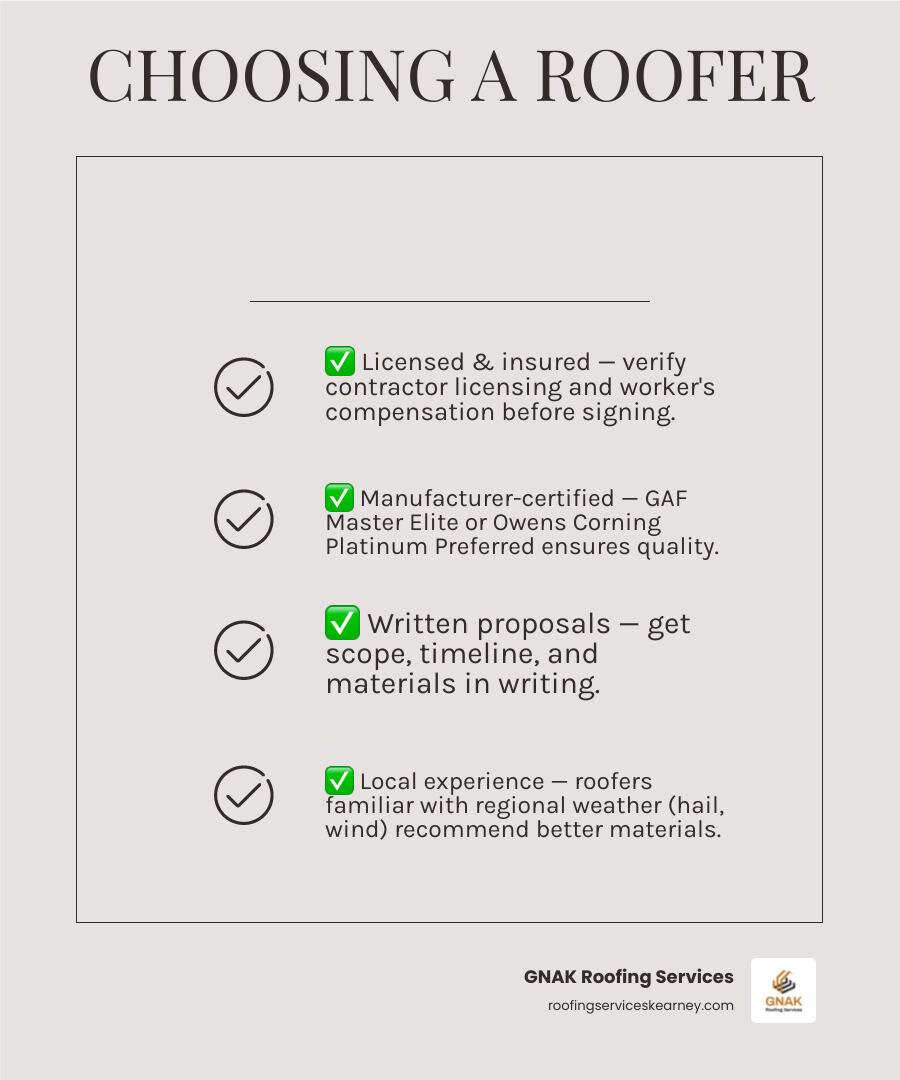
- Licensed and insured — verify contractor licensing and worker’s compensation coverage before signing anything
- Manufacturer-certified — certifications like GAF Master Elite or Owens Corning Platinum Preferred mean the contractor meets strict installation standards
- Written proposals — get everything in writing, including scope, timeline, and materials
- Local experience — a roofer who knows your regional weather (think Missouri hail and wind) will make better material recommendations
- Clear warranty coverage — look for both a manufacturer material warranty and a separate workmanship warranty
Asphalt shingles cover the vast majority of homes across the country — and for good reason. They’re affordable, durable, and available in dozens of styles and colors. But even the best shingles fail early when they’re installed poorly or when a homeowner hires the wrong contractor.
The stakes are real. A small roof leak ignored today can turn into thousands of dollars of structural damage within months. Getting the right roofer from the start protects your home and your wallet.
I’m Greg Nakata, owner of GNAK Roofing Services in Kearney, Missouri — and my background in commercial real estate, asset underwriting, and insurance documentation since 1999 gives me a different perspective on asphalt shingle roofers than most contractors. That experience shapes how we approach every residential project: with the same detail-oriented, documentation-first mindset we bring to complex commercial claims.
Asphalt shingle roofers terms to learn:
Understanding Asphalt Shingle Types and Benefits
Before you contact local asphalt shingle roofers, it is essential to understand the different materials available for your roof. Asphalt shingles have evolved significantly from the basic paper-and-tar versions of decades past. Today, they are engineered systems designed to withstand extreme weather while boosting your home’s curb appeal.
Three-Tab Shingles
Three-tab shingles are the traditional, single-layer option. They are flat, lightweight, and characterized by distinct vertical cutouts that make them look like three separate pieces. While they are the most budget-friendly choice upfront, they have a shorter lifespan (typically 15 to 20 years) and lower wind resistance (usually rated up to 60 mph). For homeowners on a strict budget, three-tab shingles provide a clean, classic appearance.
Architectural Shingles
Also known as dimensional or laminate shingles, architectural shingles are constructed with two or more layers of asphalt laminated together. This multi-layered design creates a dimensional, textured look that can easily mimic more expensive materials like wood shakes or slate. They are significantly thicker and heavier than three-tab shingles, offering superior wind resistance (often up to 110–130 mph) and a longer lifespan of 25 to 30 years. To learn more about this popular option, you can read about architectural shingles on the Asphalt Roofing Manufacturers Association website.
Luxury Shingles
Luxury (or premium) shingles are the highest-quality asphalt option on the market. They are exceptionally thick, heavy, and designed to replicate natural slate or hand-split wood shakes with stunning accuracy. Beyond their dramatic aesthetic impact, luxury shingles offer maximum impact resistance, solar reflectance, and durability, often carrying lifetime warranties.
Fiberglass vs. Organic Mat-Based Shingles
The core of modern shingles generally falls into two categories:
- Fiberglass Shingles: These feature a woven fiberglass mat coated with asphalt and ceramic granules. They are lightweight, highly fire-resistant, and perform exceptionally well in diverse climates.
- Organic Mat-Based Shingles: These utilize a recycled felt paper base saturated with asphalt. While they are heavier, thicker, and highly flexible in extreme cold, they are less common today and are more susceptible to moisture absorption over time compared to fiberglass.
| Shingle Type | Average Lifespan | Wind Resistance | Relative Cost | Best For |
|---|---|---|---|---|
| Three-Tab | 15–20 Years | Up to 60 mph | Low | Budget-conscious projects, rental properties |
| Architectural | 25–30 Years | 110–130 mph | Moderate | Standard residential homes, storm protection |
| Luxury | 30–50 Years | 130+ mph | High | High-end homes, historic properties |
Key Benefits of Asphalt Shingles
When you hire experienced asphalt shingle roofers, you are investing in a roofing material that delivers an unbeatable combination of cost efficiency, durability, and style:
- Algae Resistance: Modern shingles are often treated with copper-containing granules that prevent unsightly blue-green algae staining, keeping your roof looking clean and new.
- Cost Efficiency: Asphalt remains the most economical roofing system to install and maintain compared to metal, tile, or slate.
- Durability: High-quality architectural and luxury shingles are engineered to handle severe weather, from heavy snow loads to high winds.
Why Homeowners Choose Asphalt Shingle Roofers
Homeowners across Clay County, St. Joseph, and the greater Kansas City metro area consistently turn to asphalt shingles because of their unmatched versatility. The material’s aesthetic variety allows you to match virtually any architectural style, from historic farmhouses to modern suburban homes.
Furthermore, the installation process is relatively straightforward for certified professionals, which keeps labor costs manageable and minimizes the disruption to your daily life. Most residential installations can be completed in just one to three days. For comprehensive information on how we handle these projects, explore our Residential Roofing services.
Lifespan, Weather Performance, and Maintenance
An asphalt shingle roof typically lasts between 20 and 30 years, but its actual lifespan depends heavily on your local climate, the quality of installation, and how well the roof is maintained.

Weather Performance in Missouri
In Missouri, our roofs must endure hot, humid summers, freezing winters, rapid freeze-thaw cycles, and severe spring storms.
- Wind Resistance: High winds can lift loose shingles, breaking their sealant strips and leaving the roof deck vulnerable to water intrusion. Modern architectural shingles are designed with advanced sealant strips to resist winds up to 130 mph when installed with proper nailing patterns.
- Hail Impact: Severe storms can pelt your roof with hail, bruising the shingles and knocking away the protective ceramic granules. Homeowners in hail-prone areas often choose Class 3 or Class 4 impact-resistant shingles to prevent premature failure.
- Heat Reflection: Intense summer sun can bake shingles, causing them to dry out and curl. “Cool roof” shingles utilize specialized granules that reflect solar energy back into the atmosphere, keeping your attic cooler and reducing your home’s air conditioning load.
Regular upkeep is the best way to maximize your roof’s lifespan. Keeping gutters clear, removing overhanging tree branches, and ensuring your attic has balanced ventilation will prevent heat and moisture from destroying your shingles from the inside out. For practical advice, check out our Roofing Tips & Maintenance guide.
Signs You Need to Hire Asphalt Shingle Roofers
As we cross into July 2026, many homes in the Kansas City region are dealing with aging roofs that have survived years of unpredictable Midwestern weather. You should contact a professional if you notice any of these warning signs:
- Cracked or Curling Shingles: This indicates the asphalt is drying out and reaching the end of its functional life.
- Missing Granules: Bald spots on your shingles or large amounts of sand-like granules in your gutters mean your roof has lost its UV protection.
- Active Roof Leaks: Water stains on your ceilings or walls are immediate emergencies that require rapid intervention.
- Moss or Algae Growth: Moss holds moisture against the shingle surface, which can rot the underlying wood structure over time.
Do not wait for a minor leak to turn into a major structural headache. You can easily Schedule a professional roof inspection with our team to assess your roof’s health.
The Asphalt Shingle Roof Installation Process
Installing a high-quality asphalt shingle roof is a highly coordinated process that requires precision at every step. Here is how a professional crew installs your roof the right way:
- Tear-Off and Deck Inspection: The old shingles and underlayment are completely removed down to the bare wood deck. The crew inspects the sheathing for any soft spots or rotted wood, replacing damaged boards to ensure a structurally sound foundation.
- Ice and Water Shield Installation: A self-adhering waterproof barrier is applied in vulnerable areas, such as roof valleys, eaves, rake edges, and around chimneys, to protect against ice dams and wind-driven rain.
- Synthetic Underlayment: Unlike old-fashioned felt paper, which can wrinkle and tear, modern synthetic underlayment is rolled across the entire deck. This provides a secondary layer of high-strength water protection.
- Flashing Replacement: Old, rusted metal flashing around chimneys, dormers, and valleys is replaced with new metal to prevent water from seeping into joints.
- Shingle Installation and Nailing Patterns: Shingles are laid starting from the bottom edge. Proper nailing is critical: architectural shingles require a minimum of 4 to 6 nails placed precisely in the manufacturer’s designated nail zone to meet their wind-resistance ratings.
- Ventilation Integration: Proper exhaust vents (such as ridge vents) are checked and installed to ensure continuous airflow through your attic, preventing heat buildup.
- Meticulous Cleanup: The crew performs a thorough cleanup of the property, including using magnetic sweepers across the yard and driveway to collect stray nails.

How to Choose the Best Asphalt Shingle Roofers
Finding the right contractor is just as important as choosing the right shingle. Because roofing is one of the most complained-about service industries nationally, vetting your contractor carefully protects your investment.
When interviewing asphalt shingle roofers, ask these essential questions:
- Are you licensed and insured? Always demand proof of general liability insurance and worker’s compensation. If a worker is injured on your property and the contractor lacks coverage, you could be held liable.
- Do you use direct hourly employees or subcontractors? Some companies rely heavily on third-party subcontractors, which can lead to inconsistent quality. Contractors who employ stable, hourly crews often maintain tighter quality control over their workmanship.
- Will you pull local building permits? A reputable local contractor will always handle the necessary municipal permits and schedule the required inspections in cities like Liberty, Independence, or St. Joseph.
- Can you provide local references? Ask for recent projects completed in your immediate neighborhood.
For a look at high-standard operations, reputable contractors follow strict guidelines established by national organizations like the National Roofing Contractors Association.
Evaluating Warranties and Estimates
When reviewing quotes, look beyond the bottom-line price. A detailed estimate should include:
- A complete breakdown of materials, including the specific brand and line of shingles.
- Details on underlayment, ventilation, flashing, and ice/water shields.
- Clear timelines for completion and cleanup protocols.
Pay close attention to the warranties offered. There are two distinct types of coverage:
- Manufacturer Material Warranty: This covers defects in the shingles themselves. If your contractor holds an elite certification (such as GAF Master Elite or Owens Corning Platinum Preferred), they can offer extended system warranties that cover the entire roof assembly for up to 50 years. You can read about how top-tier certifications protect homeowners directly on the GAF website.
- Workmanship Warranty: Provided directly by the contractor, this covers installation errors. A quality roofer will back their work with a multi-year workmanship guarantee.
To explore your replacement options in detail, Explore our residential roof replacement services.
Frequently Asked Questions About Asphalt Roofing
How much does it cost to replace an asphalt shingle roof?
The average cost to replace an asphalt shingle roof typically ranges from $6,000 to $12,000, which translates to roughly $3.50 to $5.50 per square foot. However, your actual cost will depend on several key factors:
- The size and pitch (steepness) of your roof.
- The type of shingle you choose (three-tab vs. architectural vs. luxury).
- The number of existing shingle layers that need to be torn off.
- Whether any rotted roof decking needs to be replaced.
If you are ready to get an accurate estimate for your home, you can easily Find roofers near me to schedule a physical consultation.
Can asphalt shingles be recycled?
Yes! Old asphalt shingles do not have to end up in a landfill. Shingle recycling has become increasingly popular across the country. Old shingles can be ground up and mixed into asphalt road paving materials, improving pavement quality while reducing the demand for new oil resources. Some recycling facilities also process shingles to extract fuel sources. When planning your project, ask your roofer if they work with local recycling centers to dispose of tear-off waste responsibly.
How does asphalt compare to metal roofing?
Both materials have distinct advantages depending on your budget and goals:
- Cost: Asphalt shingles are significantly less expensive to install upfront than metal roofing, making them the preferred choice for most budget-conscious homeowners.
- Lifespan: While high-quality asphalt roofs last 20 to 30 years, metal roofs can easily last 40 to 70 years with minimal maintenance.
- Aesthetics: Asphalt shingles offer a classic, warm look with textured depth, whereas metal roofing provides a sleek, modern, industrial aesthetic.
To compare these systems further, take a look at our Metal Roofing options.
Conclusion
Your roof is your home’s primary line of defense against the elements. Choosing the right asphalt shingle roofers ensures that your investment is installed to the highest standards, protecting your family and your property for decades to come.
At GNAK Roofing Services, we combine our deep local expertise in Kearney, Liberty, St. Joseph, Independence, and Kansas City with a meticulous, documentation-first approach. Because of our background in insurance underwriting and asset management, we don’t just install beautiful roofs — we provide the insurance-ready documentation and manufacturer-compliant workmanship you need for ultimate peace of mind.
Whether you need a minor repair after a spring storm or a complete roof replacement, we are here to help. Get a professional roof repair estimate today, and let us show you the GNAK difference.